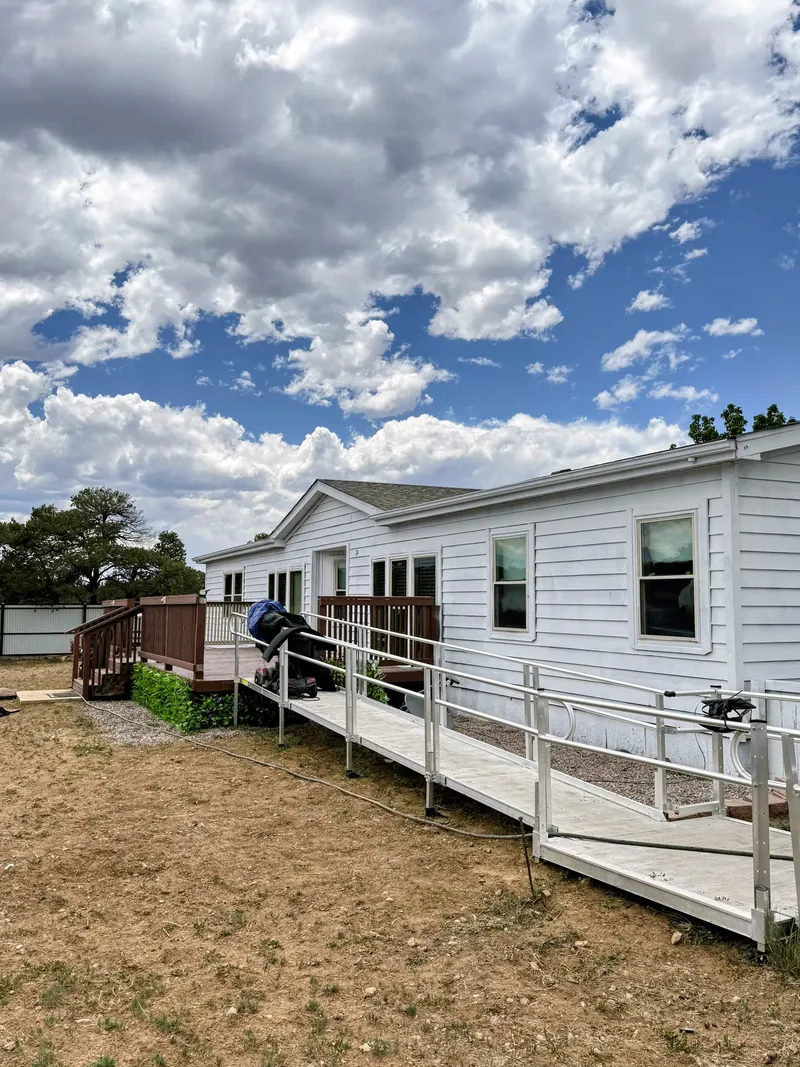
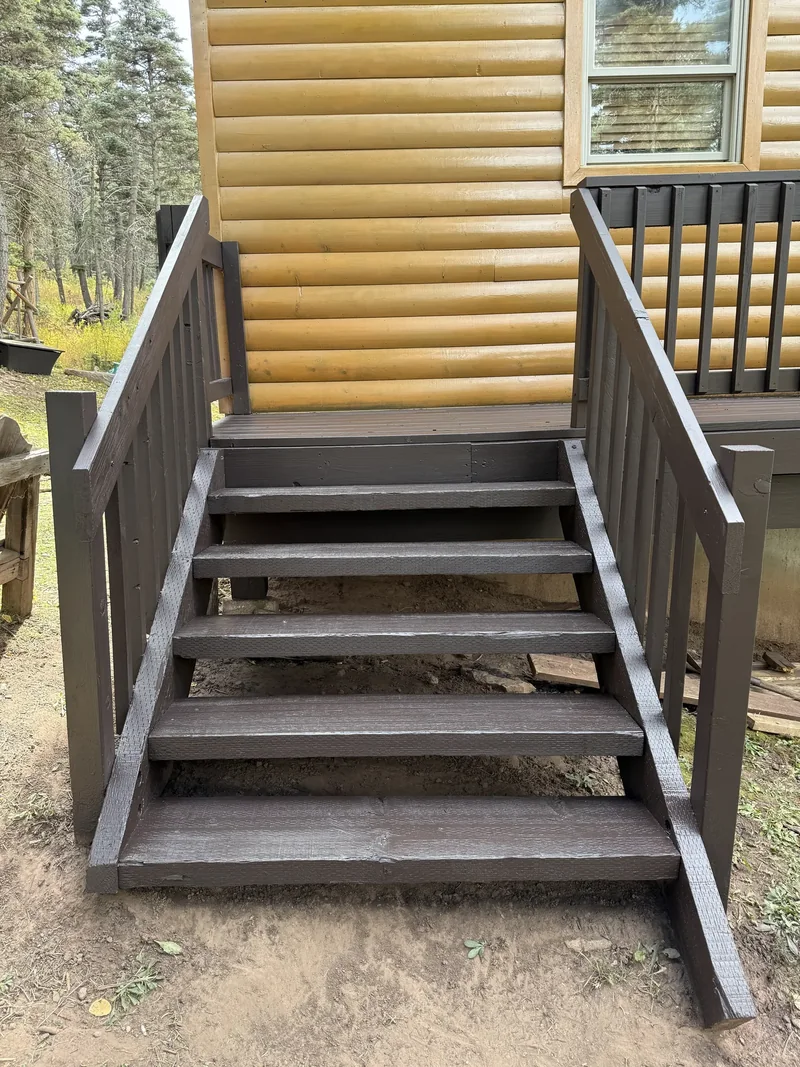
Siding, stucco, trim, and fascia prepped thoroughly and coated to hold their color through the sun and snow of southern Colorado.
The whole exterior
A repaint that stands up to the elements
Your exterior is the first thing anyone sees and the surface that takes the hardest beating. A repaint that lasts is not about the paint alone: it is thorough prep, the right product for each material, and reaching the high, weathered details cheaper bids skip.
We keep our crew small (owner Sean and Ken on the tools) so the same trained hands prep and coat your whole home end to end. Siding, stucco, trim, soffits, and fascia, all handled with one point of contact from the first walkthrough to the final touch-up. Freshening up the inside too? Our interior painting is the same standard, indoors.
Every surface, top to bottomSiding and stucco through to the soffits and fascia most crews leave half-done.
Prep before paintWashed, scraped, caulked, and primed so the finish bonds to sound material, not grime.
Coatings rated for altitudeFinishes chosen to flex, shed water, and hold pigment against high-country UV.
What we coat outside
The full exterior, not just the easy walls
A finished-looking home reads as one piece. That means the high, weather-beaten details get the same care as the siding at eye level.
SidingLap siding and board-and-batten cleaned, primed where needed, and coated for even, lasting color.
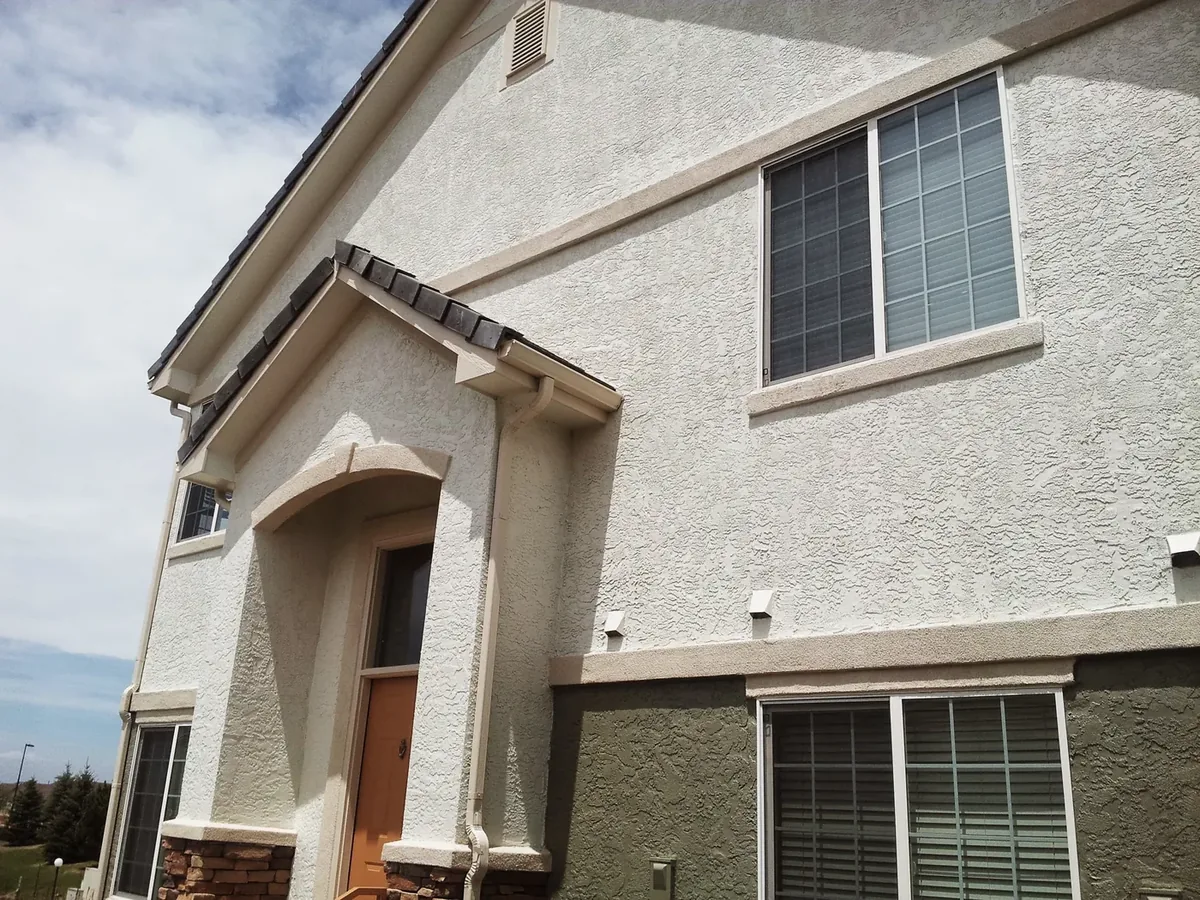
Stucco & masonryTextured walls sealed and coated, with elastomeric finishes where hairline cracks need bridging.
Trim & doorsWindow trim, corner boards, and entry doors cut in clean for a crisp contrast against the body.
Soffits & fasciaThe high eave details that get skipped by cheaper bids, properly reached and painted.
Porches & railingsCovered entries and rail systems coated to match, so the front of the home reads finished.
Outbuildings & fencesSheds, garages, and fence lines brought into the same color scheme as the house.
Where the value lives
The prep is the job
A lasting exterior finish is decided before the first coat. This is the unglamorous work that separates paint that holds from paint that peels off in a season.
Wash
Surfaces are cleaned of dirt, chalking, and mildew so the new coating bonds to sound material, not grime.
Scrape & sand
Loose and failing paint is removed and edges are feathered smooth, giving the fresh finish a stable surface to grip.
Caulk & patch
Gaps, cracks, and nail holes are sealed and filled, keeping wind-driven moisture out and lines looking clean.
Prime
Bare spots, repairs, and stains get the right primer so the topcoat covers evenly and adheres for the long haul.
Choosing the coating
Acrylic or elastomeric: the right one for your walls
There is no single best exterior paint; there is the best one for your material and exposure. Here is how we decide between the two we reach for most.
100% acrylic
Our default for most siding, trim, and wood. A quality 100 percent acrylic film flexes with the daily temperature swing instead of cracking, holds its pigment against high UV, and breathes so trapped moisture can escape. It is the workhorse that keeps a repaint looking sharp for years.
Elastomeric
Our pick for stucco and masonry that shows hairline cracking. Elastomeric coatings lay down a thicker, stretchy film that bridges small cracks and locks out wind-driven rain and snow. On the right wall it is a durable, waterproofing upgrade; on wood siding it is the wrong tool, which is why we match product to material.
Built for our climate
UV, freeze-thaw, and the right season to paint
At 6,000 feet and up, the sun is stronger and the temperature can swing forty degrees between afternoon and night. That combination is brutal on coatings that were not made for it, and on jobs painted at the wrong time of year.
Intense UV fades and chalks thin paint within a season or two, while the daily freeze-thaw cycle works moisture into any gap and splits films that cannot flex. We answer that with premium coatings rated for the exposure and with timing: late spring through early fall gives us dry surfaces and curing temperatures that let the finish set up properly. Paint applied into a cold night or a coming storm never reaches its full durability.
UV-stable pigmentsColors that resist the fading and chalking thin sun-exposed paint shows within a year or two.
Freeze-thaw flexibilityFilms that expand and contract with the daily swing instead of splitting at the seams.
Painted in the right windowScheduled around dry weather so coats cure fully and reach their rated durability.
Recent work
Exterior projects around Huerfano County
A look at homes and buildings we have repainted across Walsenburg and southern Colorado.
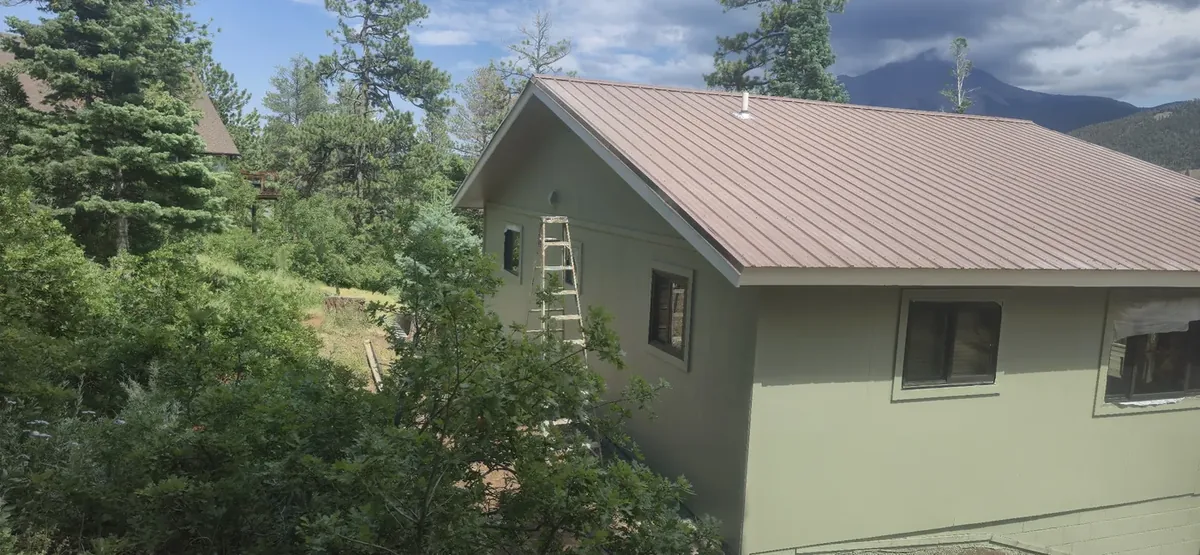
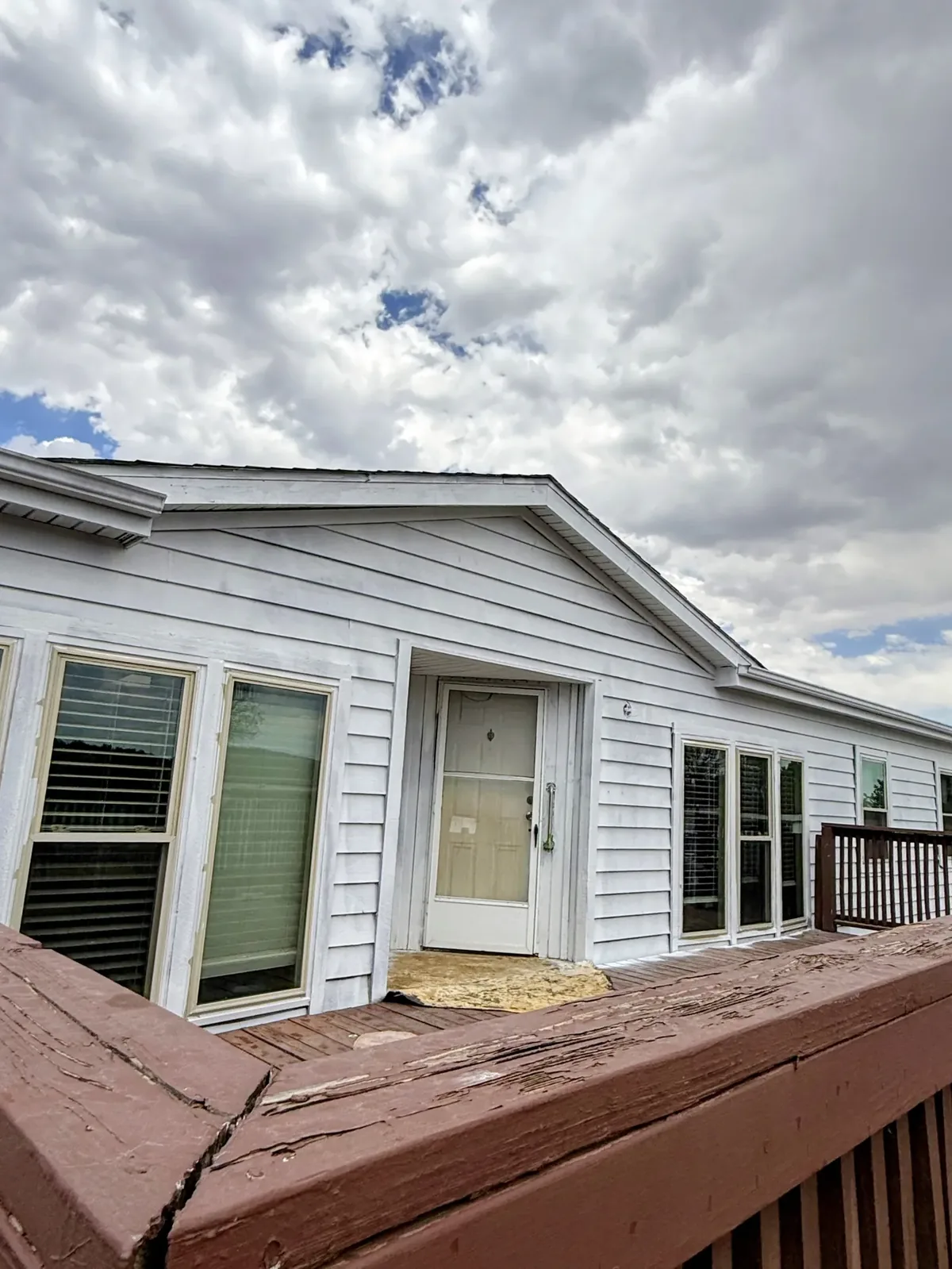
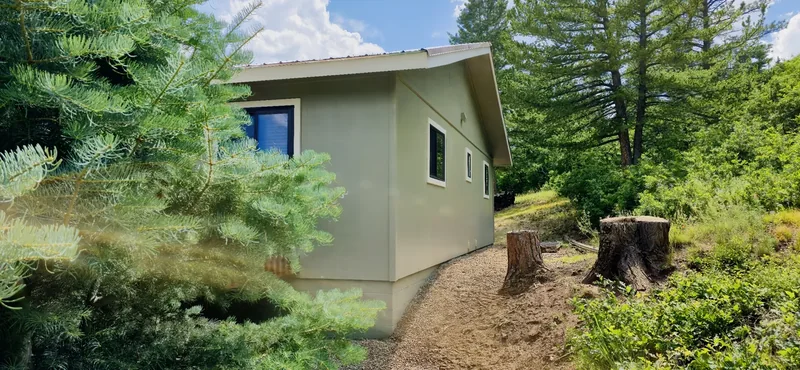
Two-story exterior repaint, WalsenburgHome exterior repaint, La VetaFence & trim coating, Gardner
What's the best time of year to paint a house exterior in Colorado?
Late spring through early fall is the sweet spot. Exterior coatings need dry surfaces, daytime temperatures that stay in the manufacturer's range, and overnight lows that don't drop too far while the film cures. At our elevation that window is real but generous, and we plan projects around dry stretches so the finish sets up properly instead of being fought by weather.
What kind of paint do you use for exterior work?
We spec premium 100 percent acrylic exterior coatings for most siding and trim because they flex through freeze-thaw cycles instead of cracking and hold their pigment against relentless UV. On stucco and masonry that needs to bridge hairline cracks, we turn to elastomeric finishes that stretch with the wall. Both are rated for high-elevation, high-UV exposure.
How long does exterior paint last at high altitude?
With proper prep and quality coatings, an exterior finish commonly holds five to ten years before it needs a refresh. At 6,000 feet and up, intense UV and the daily freeze-thaw swing are the biggest factors, which is why surface prep and product selection matter more here than in milder, lower climates. Cutting corners on either is what leads to early fading and peeling.
Do you paint stucco as well as siding?
Yes. We paint lap siding, board and batten, and textured stucco, along with the trim, soffits, and fascia around them. Stucco and masonry get cleaned and, where hairline cracking is a concern, coated with an elastomeric finish that bridges small cracks and keeps wind-driven moisture out of the wall.
How do you prep the exterior before painting?
Every exterior job runs through the same sequence: wash the surface clean of dirt, chalking, and mildew; scrape and sand loose or failing paint back to a sound edge; caulk gaps and cracks and patch bare spots; then prime repairs and raw material so the topcoat bonds and covers evenly. The prep is where a lasting finish is won or lost, so we don't rush it.