
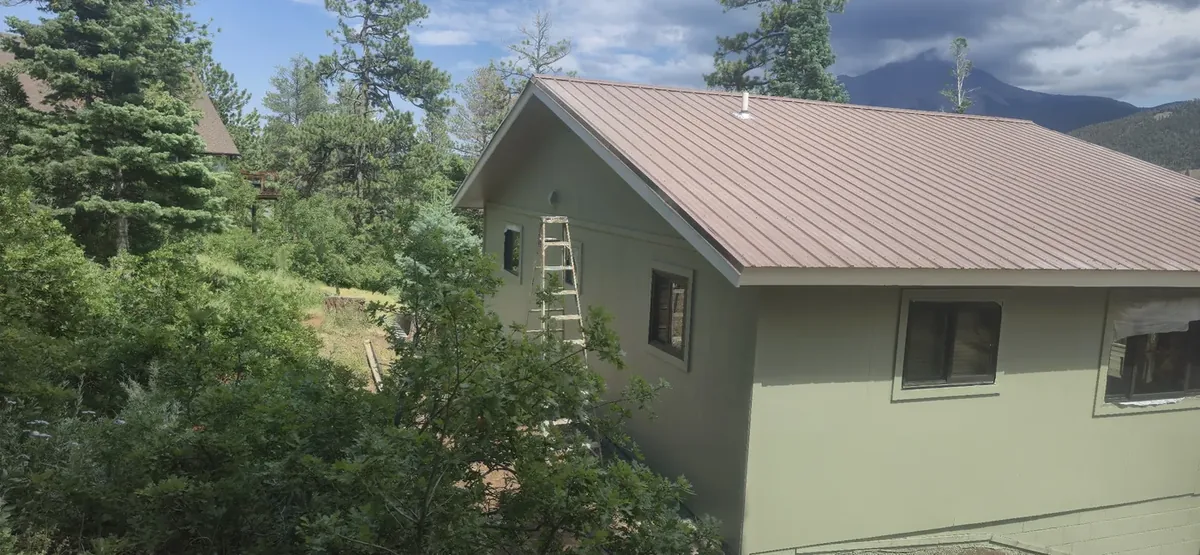
If you live above 6,000 feet in southern Colorado, your home's exterior faces conditions most paint isn't designed for. A coating that performs beautifully at sea level can fail early here. Before you settle on a color, it's worth understanding what actually destroys exterior paint at altitude, and how to choose a product and a prep plan that stands up to it.
Why high-altitude sun and freeze-thaw are so hard on paint
Two forces do most of the damage. The first is ultraviolet light. At elevation there's less atmosphere overhead to filter the sun, so UV intensity climbs noticeably for every thousand feet you gain. UV breaks down the resins that hold paint together, which is what causes fading, chalking (that powdery residue on your hand when you rub the wall), and eventually a brittle film that cracks.
The second is freeze-thaw cycling. In our climate a sunny winter day can push a south-facing wall well above freezing by afternoon, then drop it back below zero overnight. Any moisture behind or in the paint expands as it freezes, prying the film loose. Do that a few hundred times a season and even a good coating peels. A paint's ability to flex through those swings (and to breathe so trapped moisture can escape) matters as much as its color retention.
100% acrylic vs. elastomeric: what to actually buy
For the majority of homes here, a premium 100% acrylic latex exterior paint is the right call. The "100% acrylic" part is the key phrase: acrylic resins hold color and resist UV far better than cheaper vinyl-acrylic blends, and they stay flexible in the cold instead of turning brittle. They also breathe, which lets wall moisture escape rather than building up behind the film. Spend up here. The price gap between a builder-grade and a top-tier acrylic is small next to the cost of repainting years early.
When elastomeric makes sense
Elastomeric coatings are much thicker and stretch to bridge hairline cracks, which makes them a strong choice for stucco and masonry that tends to develop fine cracking. They're excellent at keeping wind-driven water out. The tradeoff is that they must be applied correctly on a surface that can still breathe; on wood siding they can trap moisture and cause more harm than good. Save elastomeric for the surfaces it's built for, and don't treat it as a cure-all.
Sheen: not just a look, a durability choice
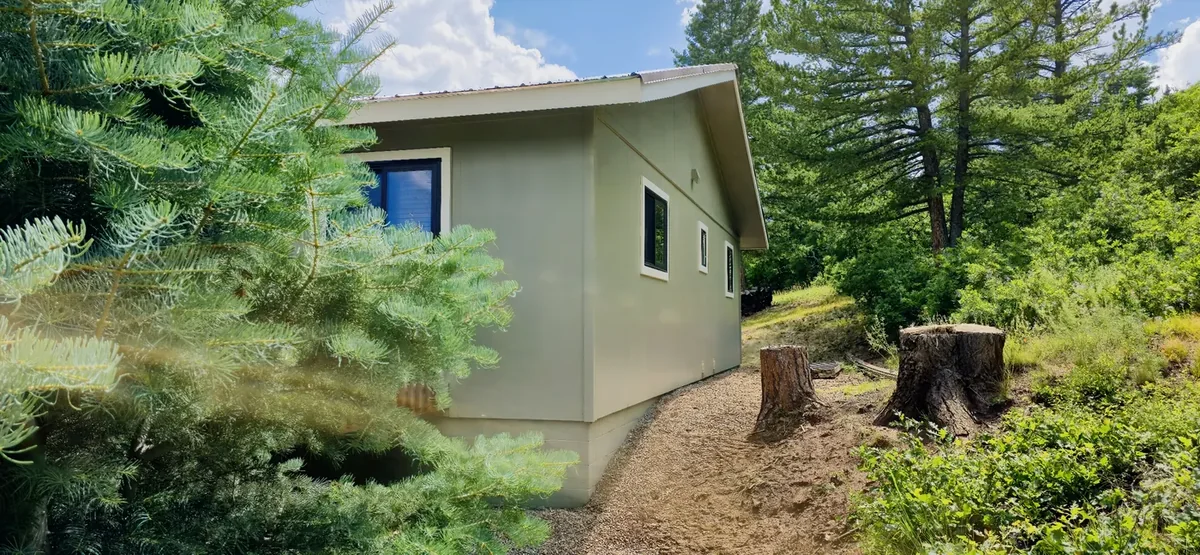
Sheen affects how a surface wears, not only how it reads. Flat hides surface flaws but holds dirt and is harder to wash. For most Colorado exteriors a satin or low-lustre finish on the body is the sweet spot: enough sheen to shed dust and resist UV, without spotlighting every imperfection. Step up to semi-gloss on trim, doors, and railings, where you want extra durability and an easy-to-clean surface that frames the house.
Prep is where the job is won or lost
No coating, however good, sticks to a dirty or failing surface. Real exterior prep is unglamorous and non-negotiable:
- Wash. Pressure wash or hand-scrub off chalk, dirt, pollen, and mildew so the new paint bonds to the wall and not to a layer of grime.
- Scrape and sand. Remove everything loose or peeling and feather the edges so repairs don't telegraph through the finish.
- Caulk. Seal gaps around windows, doors, and trim joints with a quality exterior sealant to keep water from getting behind the paint.
- Prime bare spots. Any bare wood, patched area, or exposed substrate gets spot-primed so the topcoat has a uniform, sealed surface to grip.
This is the part homeowners are tempted to rush and the part that most determines how long the result lasts. If you'd rather hand it off, it's the core of our exterior painting service: the same wash, scrape, caulk, and prime sequence on every job.
The best time of year to paint an exterior here
Timing is a real variable in the mountains. Most acrylic exteriors need surface and air temperatures to stay within the manufacturer's range (often around 50°F and above) through application and overnight cure. That points to late spring through early fall, and specifically to warm, dry stretches. Aim for a run of settled weather so the film can cure before any rain or a hard overnight freeze hits it.
Watch the daily swing, not just the afternoon high. A 70-degree day that drops near freezing after dark can interrupt curing, so we plan around walls that hold warmth and follow the sun around the house through the day. Painting into the shoulder seasons is possible, but it takes reading the forecast closely rather than the calendar.
Color fade and how to plan for it
Intense UV is unkind to color, and deep, saturated shades (strong reds, bright blues) fade faster than earth tones because their pigments take more of a beating. If long-term color retention matters, lean toward mid-tone, earthy colors that suit mountain homes anyway, and ask for paints with UV-stable pigments. South and west walls take the most sun and fade first, so think about how a color will age on those faces specifically.
When it's time to repaint
Don't wait for sheets of paint to peel. The signals to watch are chalking heavy enough to rub off on your hand, fading that's gone flat and blotchy, hairline cracking, and caulk that has pulled away from trim. Catching it at that stage usually means a wash and a fresh coat over sound paint. Ignore it and you're into full scraping and priming, a much bigger job. The same weathering hits horizontal wood hard, so if you're already up on a ladder, it's a good moment to look at restoring a weathered deck while you're at it.
Choosing exterior paint for a high-altitude home comes down to matching a quality coating to your surfaces, giving it honest prep, and applying it in the right window. Get those three right and the finish will carry your home through many hard Colorado years. If you'd like a second opinion on your walls, get a free estimate and we'll take a look in person.